
Corporate Governance and Business Ethics
Introduction
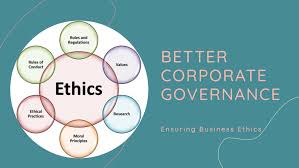
In the modern business world, organisations are expected not only to earn profits but also to operate in a fair, transparent, and responsible manner. With the increase in corporate scandals, frauds, and unethical practices, the importance of Corporate Governance and Business Ethics has grown significantly. These concepts ensure that businesses function with integrity, accountability, and social responsibility. Corporate governance focuses on how a company is directed and controlled, while business ethics focuses on moral values and ethical behaviour in business activities. Together, they help in achieving sustainable growth and long-term success.
1. Corporate Governance
Meaning of Corporate Governance
Corporate Governance refers to the system by which companies are directed, controlled, and managed. It defines the roles and responsibilities of the board of directors, management, shareholders, and other stakeholders. The main objective of corporate governance is to ensure transparency, accountability, fairness, and ethical conduct in business operations.
In simple terms, corporate governance ensures that a company is run honestly and responsibly, keeping in mind the interests of all stakeholders.
Corporate Governance = Proper Management + Transparency + Accountability + Responsibility
Definition
Corporate governance is a framework of rules, practices, and processes by which a company is governed to protect stakeholder interests and ensure ethical decision-making.

Need / Importance of Corporate Governance
Corporate governance is essential for the healthy functioning of companies in a competitive environment. It helps build confidence among investors and stakeholders and ensures that companies comply with laws and ethical standards.
Importance
Good corporate governance builds trust among investors by ensuring that financial information is accurate and reliable. It helps in preventing fraud, corruption, and misuse of power by senior management. Strong governance systems ensure that companies follow laws and regulations, reducing legal risks and penalties. Corporate governance also protects the rights of shareholders, especially minority shareholders, and ensures fair treatment of all stakeholders. Moreover, it enhances the company’s reputation and contributes to long-term growth and sustainability.
Importance
-
Builds trust among investors
-
Reduces corruption and fraud
-
Ensures compliance with laws
-
Protects shareholder rights
-
Improves company reputation
-
Encourages ethical decision-making
-
Supports long-term growth
Principles of Good Corporate Governance
Principles of corporate governance act as guidelines for ethical and responsible management. These principles ensure that companies operate transparently and are accountable for their actions. They help in balancing the interests of management and stakeholders and promote trust and confidence in the corporate system.
Principles
Transparency
-
Open and honest disclosure of financial and operational information
Accountability
-
Management must take responsibility for decisions and outcomes
Fairness
-
Equal treatment of shareholders, employees, and stakeholders
Responsibility
-
Compliance with laws, rules, and ethical standards
Independence
-
Independent directors ensure unbiased decision-making
Key Elements of Corporate Governance
Corporate governance involves various participants who play different roles in managing and controlling the company. Each element contributes to ensuring transparency, accountability, and ethical functioning. Effective coordination among these elements is essential for good governance.
Key Elements
-
Board of Directors – Takes major decisions and oversees management
-
Management – Handles day-to-day operations
-
Shareholders – Owners who elect the board
-
Auditors – Verify financial records and prevent fraud
-
Regulators – Government bodies ensuring legal compliance
2. Business Ethics
Meaning of Business Ethics
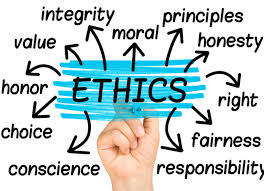
Business Ethics refers to the moral principles and values that guide behaviour in business activities. It determines what is right and wrong in business conduct. Ethical business practices ensure honesty, fairness, and responsibility toward customers, employees, society, and the environment.
Business ethics is not only about avoiding illegal activities but also about doing what is morally correct, even when the law does not force it.
Definition
Business ethics is the application of moral principles and values to business decisions and behaviour.
Importance of Ethics in Business
Ethics plays a crucial role in building trust and credibility. Ethical businesses attract loyal customers, motivated employees, and reliable investors. Ethical practices reduce the chances of legal problems, penalties, and loss of reputation. In the long run, ethical behaviour supports sustainable growth and stability. Companies that ignore ethics may earn short-term profits but often fail in the long run.
Importance
-
Builds trust among customers and employees
-
Prevents corruption and unfair practices
-
Protects company image and goodwill
-
Reduces legal risks
-
Encourages long-term sustainability
Areas of Ethical Practices in Business
Ethical practices apply to every area of business operations. From decision-making to employee treatment and environmental responsibility, ethics guide business conduct. Ethical practices help in creating a positive work culture and strong relationships with stakeholders.
Areas of Ethics
Ethical Decision-Making
-
Choosing what is right, not just profitable
Fair Business Practices
-
No bribery, cheating, or unfair competition
Honest Financial Reporting
-
True and fair accounting records
Product and Customer Safety
-
Quality products and truthful advertising
Employee Ethics
-
Fair wages, no discrimination, safe workplace
Environmental Responsibility
-
Pollution control and resource conservation
Corporate Social Responsibility (CSR)
-
Education, health, environment, community welfare
Relationship Between Corporate Governance and Business Ethics
Corporate governance and business ethics are closely related and complementary. Corporate governance provides the structural framework of rules and controls, while business ethics provides moral guidance for behaviour. Governance ensures compliance, and ethics ensures integrity. Together, they help organisations achieve responsible and sustainable business growth.
Relationship
-
Governance focuses on systems and control
-
Ethics focuses on moral behaviour
-
Governance ensures accountability
-
Ethics ensures honesty
-
Both support long-term success