
ORGANISATIONAL STRUCTURE OF AN AIRPORT
Introduction
An airport is a highly complex service organisation that operates 24×7 and handles thousands of passengers, aircraft movements, cargo operations, and vehicles every day. To manage such complexity efficiently, an airport follows a well-defined organisational structure. This structure clearly divides work, assigns responsibility, and ensures coordination among various departments to achieve safety, efficiency, and customer satisfaction.
An airport organisational structure explains:
-
Who performs which activity
-
How departments are connected
-
How decisions and information flow
The primary purpose of this structure is to ensure:
-
Safe aircraft operations
-
Smooth passenger movement
-
Efficient cargo handling
-
Revenue generation
-
Compliance with national and international aviation regulations
Most modern airports divide their operations into three major functional areas:
-
Airside Operations
-
Terminal Operations
-
Landside Operations
Each area has distinct responsibilities but works closely with the others to ensure seamless airport functioning.
1. Airside Operations
Definition
Airside operations include all restricted areas of the airport where aircraft operate. These areas are accessible only to authorized personnel such as pilots, engineers, ground handlers, and air traffic controllers. The airside is the most critical and sensitive area of the airport because it directly affects flight safety.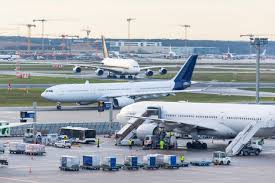
Airside areas include:
-
Runways
-
Taxiways
-
Aprons
-
Aircraft parking bays
-
Navigational aids
Objectives of Airside Operations
The primary objective of airside operations is to ensure safe, secure, and efficient movement of aircraft on the ground and in the airspace around the airport.
Key objectives include:
-
Preventing accidents and incidents
-
Maintaining runway and taxiway infrastructure
-
Coordinating aircraft movements
-
Ensuring compliance with ICAO and DGCA safety standards
Main Functions of Airside Operations
1. Air Traffic Management (ATM)
Air Traffic Management is responsible for controlling aircraft movements in the airport airspace and on the ground.
Functions include:
-
Guiding aircraft during take-off and landing
-
Managing taxiing movements
-
Maintaining safe separation between aircraft
-
Communicating with pilots through ATC towers
Importance:
-
Prevents runway collisions
-
Reduces congestion and delays
-
Ensures safe airspace usage
Example:
At Delhi IGI Airport, ATC manages hundreds of aircraft movements daily across three operational runways.
2. Runway and Taxiway Maintenance
Runways and taxiways must be maintained in perfect condition to ensure aircraft safety.
Activities include:
-
Surface inspection and repair
-
Removal of debris (FOD – Foreign Object Debris)
-
Maintenance of runway lighting systems
-
Marking and repainting runway signs
Importance:
-
Prevents aircraft damage
-
Ensures smooth take-off and landing
3. Apron Control and Aircraft Parking
Apron areas are where aircraft are parked for boarding, refueling, catering, and maintenance.
Responsibilities include:
-
Allocating parking bays
-
Coordinating aircraft ground movements
-
Ensuring safe loading and unloading
-
Monitoring refueling and catering activities
Example:
Mumbai Airport apron control manages aircraft parking efficiently due to limited space.
4. Ground Handling Services
Ground handling supports aircraft operations between arrival and departure.
Services include:
-
Baggage loading and unloading
-
Cabin cleaning
-
Catering services
-
Aircraft refueling
-
Water and toilet servicing
Importance:
-
Reduces turnaround time
-
Improves airline punctuality
5. Rescue and Fire Fighting Services (RFFS)
RFFS is a mandatory safety service at all airports.
Functions include:
-
Handling aircraft fires and emergencies
-
Providing immediate rescue support
-
Conducting emergency drills
Importance:
-
Saves lives during accidents
-
Meets ICAO safety requirements
6. Wildlife and Bird Control
Bird strikes are a major aviation hazard.
Functions include:
-
Monitoring wildlife activity
-
Using sound devices and trained staff
-
Maintaining grass and water bodies
Example:
Indian airports use bird detection radars to reduce bird strike incidents.
Importance of Airside Operations
-
Ensures flight safety
-
Prevents operational disruptions
-
Supports airline efficiency
-
Protects airport infrastructure
2. Terminal Operations
Definition
Terminal operations manage all activities inside the passenger terminal building, which serves as the link between airside and landside operations. The terminal is where passengers experience most airport services, making it critical for customer satisfaction.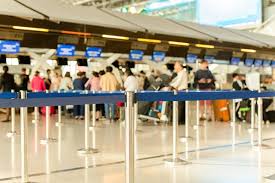
Objectives of Terminal Operations
-
Smooth passenger processing
-
Strong security and safety
-
Efficient baggage handling
-
Comfortable passenger experience
-
Revenue generation through commercial spaces
Main Functions of Terminal Operations
1. Check-in and Boarding Operations
Check-in is the first interaction between passengers and the airport.
Functions include:
-
Issuing boarding passes
-
Weighing and tagging baggage
-
Seat allocation
-
Gate management and boarding announcements
Example:
Self-check-in kiosks at Bengaluru Airport reduce waiting time.
2. Security Screening
Security screening ensures passenger and baggage safety.
Key agencies involved:
-
CISF (India)
-
Airport security staff
Functions include:
-
Passenger frisking
-
Cabin baggage scanning
-
Access control
Importance:
-
Prevents unlawful interference
-
Ensures aviation security
3. Customs and Immigration
For international flights, government agencies manage entry and exit procedures.
Functions include:
-
Passport verification
-
Visa checks
-
Customs clearance
Importance:
-
National security
-
Border control
4. Baggage Handling Systems (BHS)
Modern airports use automated baggage systems.
Functions include:
-
Sorting baggage
-
Tracking through barcodes/RFID
-
Delivering baggage to arrival belts
Example:
Mumbai T2 uses advanced automated baggage handling systems.
5. Passenger Facilities and Services
Passenger comfort is a priority.
Facilities include:
-
Lounges
-
Restrooms
-
Medical centers
-
Information desks
-
Assistance for elderly and disabled passengers
6. Commercial and Retail Operations
Commercial spaces are major revenue sources.
Include:
-
Duty-free shops
-
Restaurants and cafés
-
Retail outlets
-
Advertisements
Importance:
-
Non-aeronautical revenue supports airport profitability
7. Cargo Terminal Operations
Cargo terminals handle freight operations.
Functions include:
-
Cargo acceptance
-
Storage and warehousing
-
Customs clearance
-
Loading for flights
Importance of Terminal Operations
-
Enhances passenger satisfaction
-
Improves airport image
-
Generates revenue
-
Reduces congestion and delays
3. Landside Operations
Definition
Landside operations include all public-access areas of the airport that connect it to the city and surrounding regions. This area ensures smooth access to and from the airport.
Objectives of Landside Operations
-
Efficient passenger access
-
Traffic and parking management
-
Safety and convenience
-
Integration with public transport
Main Functions of Landside Operations
1. Traffic Management
Controls vehicle movement around the airport.
Functions include:
-
Traffic flow planning
-
Congestion management
-
Emergency vehicle access
2. Parking Facilities
Parking management includes:
-
Short-term parking
-
Long-term parking
-
Staff parking
Example:
Smart parking systems at Hyderabad Airport.
3. Public Transport Integration
Includes:
-
Buses
-
Taxis
-
Metro and rail links
-
Car rental services
Example:
Bengaluru Airport metro connectivity improves passenger convenience.
4. Drop-off and Pick-up Zones
Designed for:
-
Quick passenger movement
-
Safety and traffic discipline
5. Administrative and Support Buildings
Includes:
-
Airport authority offices
-
Police stations
-
Customs offices
6. Hotels and Business Facilities
Services include:
-
Transit hotels
-
Business lounges
-
Conference facilities
Importance of Landside Operations
-
Improves airport accessibility
-
Reduces travel stress
-
Enhances overall passenger experience
summary
|
Airport Area |
Main Function |
Works With |
Example of Coordination |
|
Airside |
Aircraft safety & movement |
Terminal |
For boarding/deboarding |
|
Terminal |
Passenger processing |
Airside & Landside |
To manage check-in & boarding |
|
Landside |
Public transport & access |
Terminal |
For passenger entry/exit |